In New Spain and Mexico, the word, Shoshoni, is written as Chuchone, Chochone, Chuchon Mixteca and they are referred to as Chocho and Popoloca, Yopi, Yopime, Tenime, Teca, Tecos, plus many more. I’ll be focusing on Chuchone and Chocho for the most part.
I don’t speak or read Spanish or Castillian or Catalan fluently, so I’m using google translate for the translations of the texts.
The Shoshoni in New Spain(Nueva Espana)
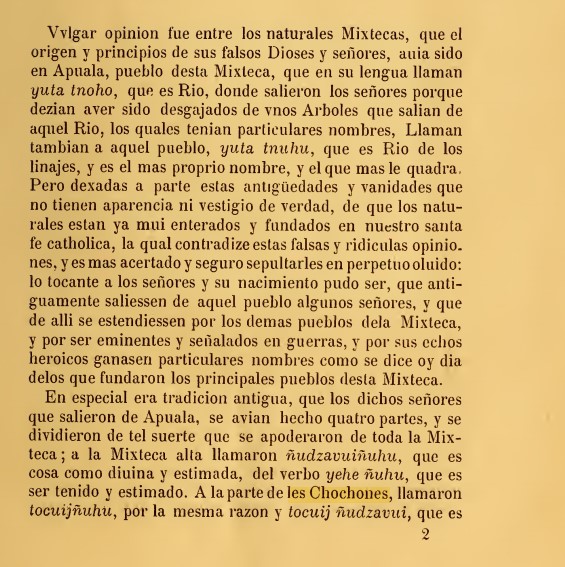
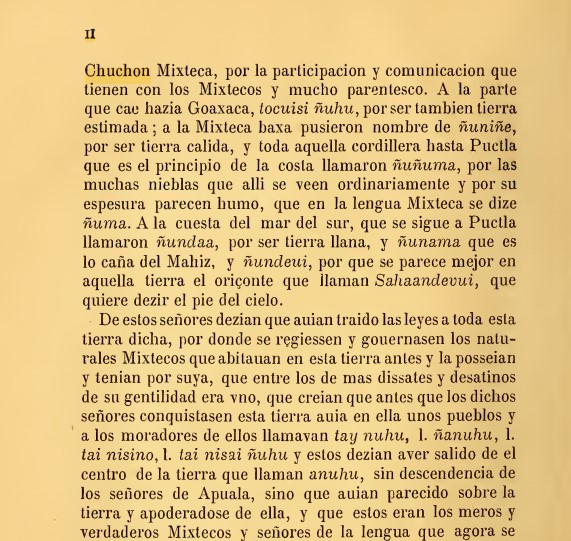
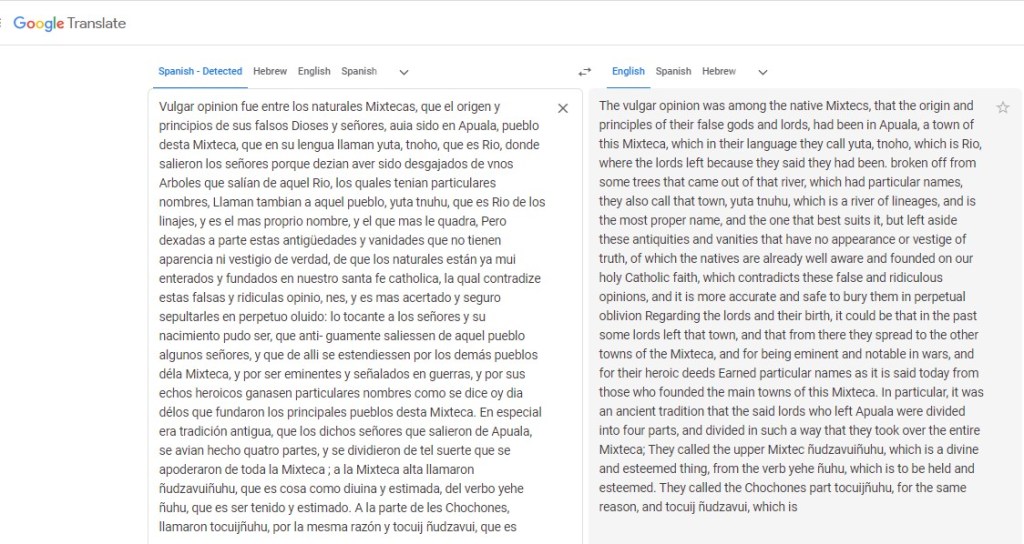
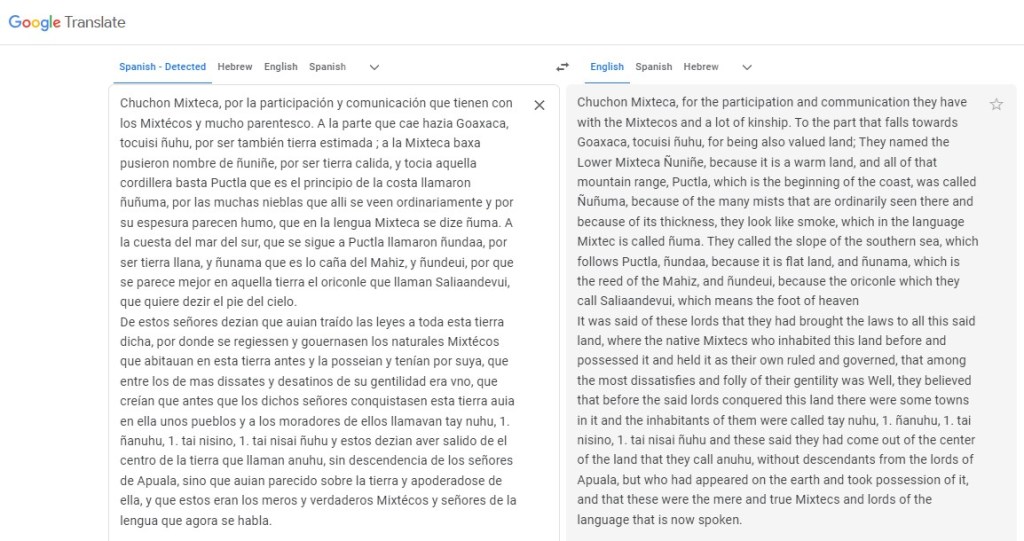
Sources: Reyes, Antonio de los. Arte en Lengua Mixteca. Prologue pg 1-2. Mexico. 1593. and Google Translate.
From the above text and translation, Reyes lists the names of the lands in the Mixteca or Mexica language and how the Shoshoni were living in the land prior to the Mexica, but the Mexica hold the Shoshoni in esteem and the two people had a lot of participation, communication and kinship between them. He also notes that the Mexica said they came from, yuta tnuhu, which means a river of lineages. Another point is the term, yuta, meaning river, which is a well known label for the Yuta or Utah Indians in modern North America. I’ll eventually provide more information on this as I understand it better.
The Shoshoni in Mexico
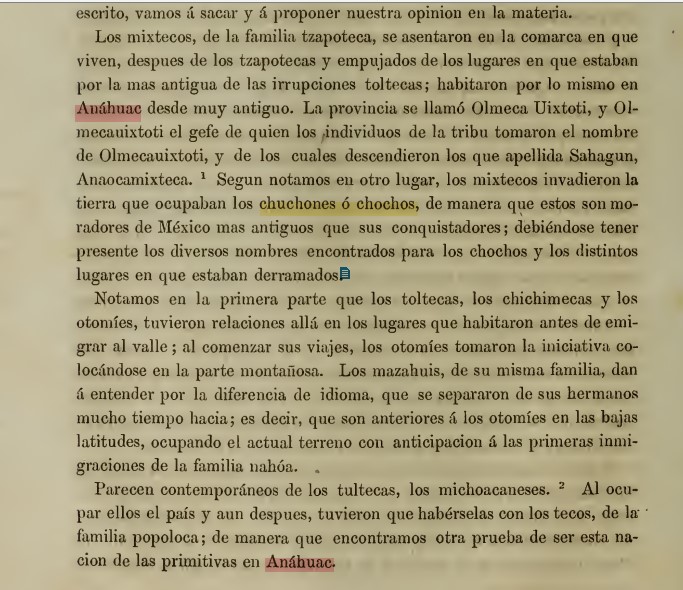
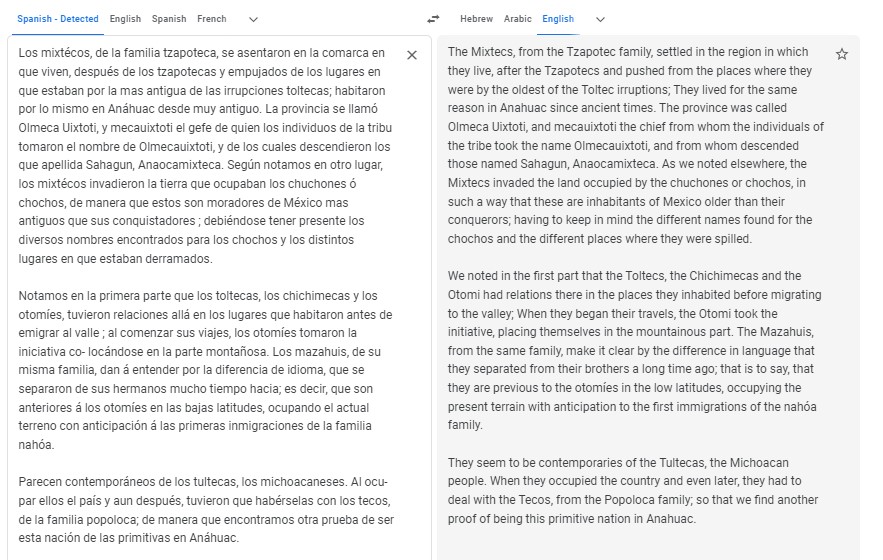
Sources: Orozco y Berra, Manuel. Geografia y Carta Etnografica de Mexico. pg. 120. Mexico. 1864. and Google Translate.
Orozco notes also that the Shoshoni who he refers to as Chuchones or Chochos, lived in Anahuac and the surrounding areas prior to Mixteca or Mexica invasion(I’m not sure if the invasion was aggressive, but it’s also been described as a ‘displacement’). He describes the migrations of the Toltecs, Otomi, Chichimeca, Mazahuis(who I think are the Mahiz from the first text listed above), in relation to the “nahoa/nahuatl” language family immigrations. Also the translation isn’t perfect, and in it the word Sahagun* in the translation, is the name of a Spanish speaking writer who Orozco used as a source for his book.
The Shoshoni in a 1922 Dictionary
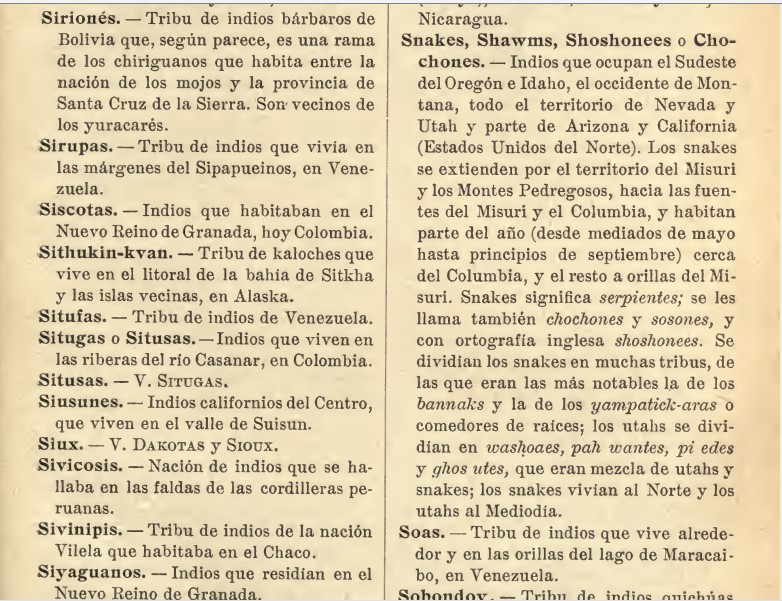
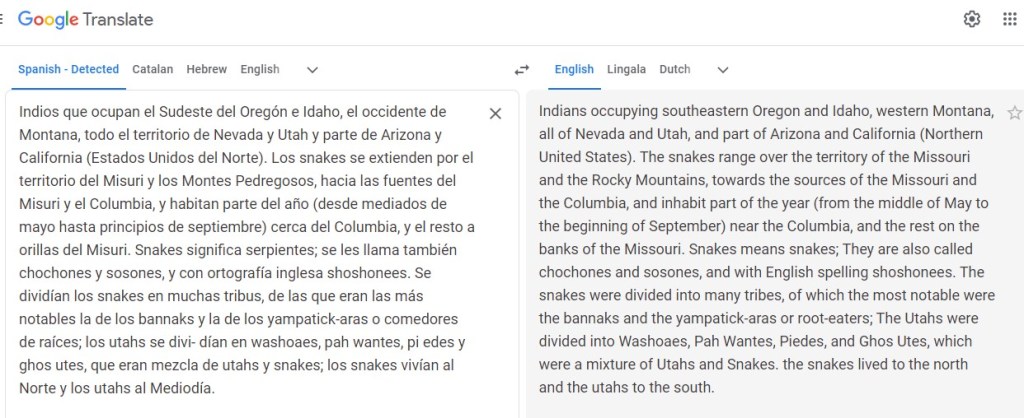
Sources: Martin, Gabriel Vergara. Diccionario Etnografico Americano. pg. 183. Madrid. 1922. and Google Translate.
I used this a because it shows the compilation of some of the names and labels of the Shoshoni and various tribal bands and family associations. In my next posts, I’ll dive into the Shoshoni as the Chocho Indians aka the Coco Indians as much of the early Texas history is focused on the Eastern Texas/Western Louisiana region and there is a lot of documentation of them being there written with this name. I will eventually get to the the Karankawa or Karakawan tribes as the Coco Indians are heavily associated with them during the Jesuit military expeditions into modern Texas, and the Caddo and Comanche.
Thanks for stopping by! Please feel free to ask questions or comments! If you can translate the texts better than Google, please let me know!! Peace!
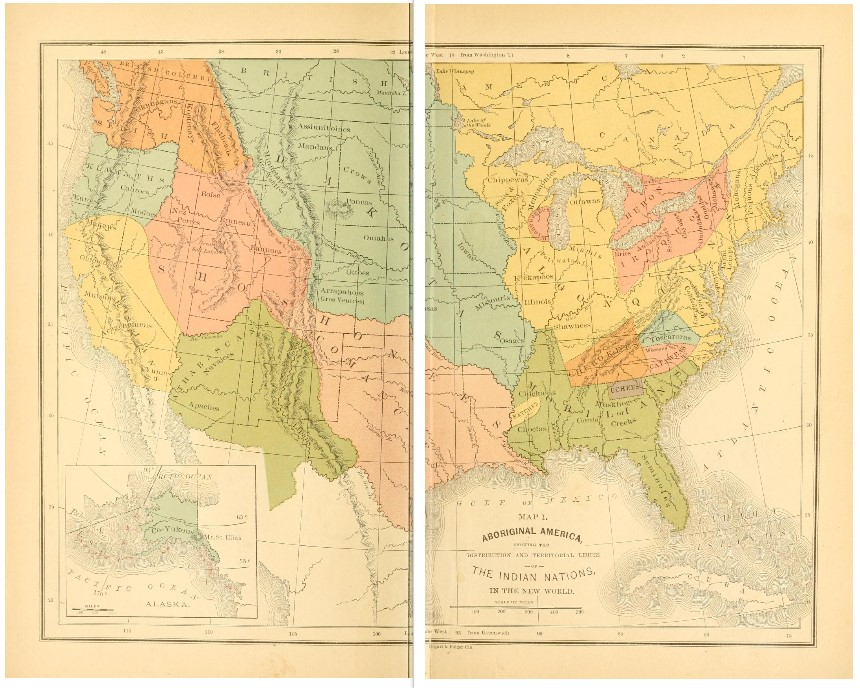
 Shoshoni Texans
Leave a comment