Thru the whirlwind of various topics I want to share about the Shoshoni, sometimes I can’t chose, so this post will vary in topics, but always refer to something Shoshoni related. So I’ll basically present some texts, translations, and my ideas or thoughts about what it means or how it relates to the Shoshoni. Topics covering Serpents, Dragons, names/labels in various languages or spellings, “language familes,” etc…Enjoy!!
Colonizers’ forked-tongue tendencies
The Library of Congress uses a system called MARC to classify digital media into codes for grouping and (other purposes). There are various code books/schemes for languages, countries/nations, and organizations. Let’s take a look at the MARC language code list for the Shoshoni and Shoshone in year 2000 edition. The languages are grouped under a bolded heading, and everything listed with/underneath the bolded heading are related in some way linguistically. The Shoshoni are listed as a Central American Indian (Other) language.
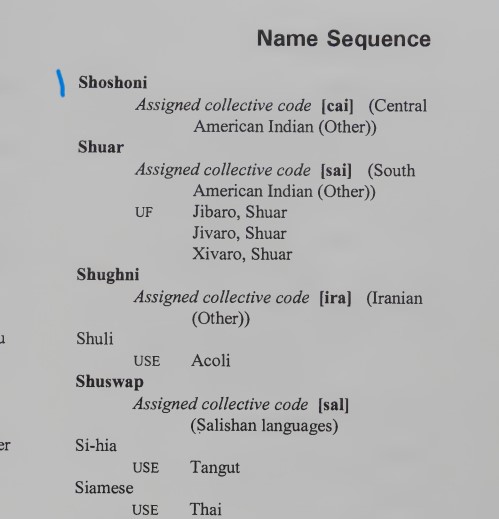

The Shoshone is a bit different in the 2000 MARC code book. It’s presented in () as the Kawia under the Cahuilla-Coahuila and Kawi-Old Javanese headings. The modern state of Texas was known or classified as Coahuila y Tejas in the mid 1820s before the so-called Texas Revolution and war. The Old Javanese reference is interesting because in the Central American Indian (Other) list, there is a language called Huave. Texas was also referred to as Nueva Filipinas by the Franscican and Domincan Jesuit militia in the 1700s. There are many implications from the MARC 2000 text on the shifting/transplanting/removal/replacement of Shoshoni history to different continents/nations/countries instead of the Americas. According to Brittanica online, “Java” fell to the British East Indian company force under somebody named Baron Minto in 1811. The truth of this narrative is not my interest, but it is interesting to me that 1811 is the year the war called Tecumseh’s War started. More on this in a future post.
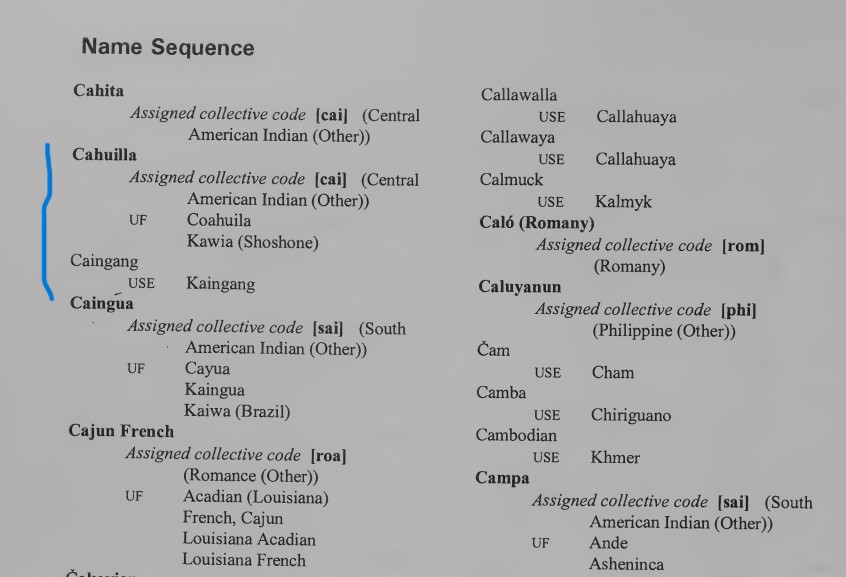
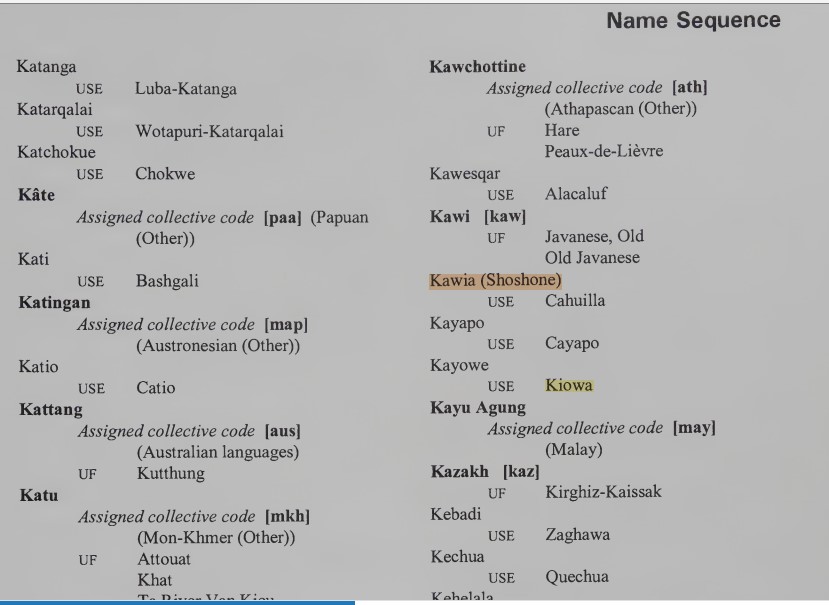
Source: MARC code list for languages. 2000 Edition. Library of Congress. pgs 34, 37, 71, and 123. Washington.
Gens du Serpent or People of the Serpent
I started with the language distortions as twisted tongues is the name of the game. Serpents can’t talk, but a man or woman can lie. So what is all this snake/serpent business? Is it simply a perjorative term for an enemy or adversary, or is it a layered lie mixed with truth? I haven’t decided, so here are some notes on the notion in regards to the Shoshoni aka Gens du Serpent, but remember, “It ain’t what they call you, it’s what you answer to.” Is he Noah or Nahuatl???
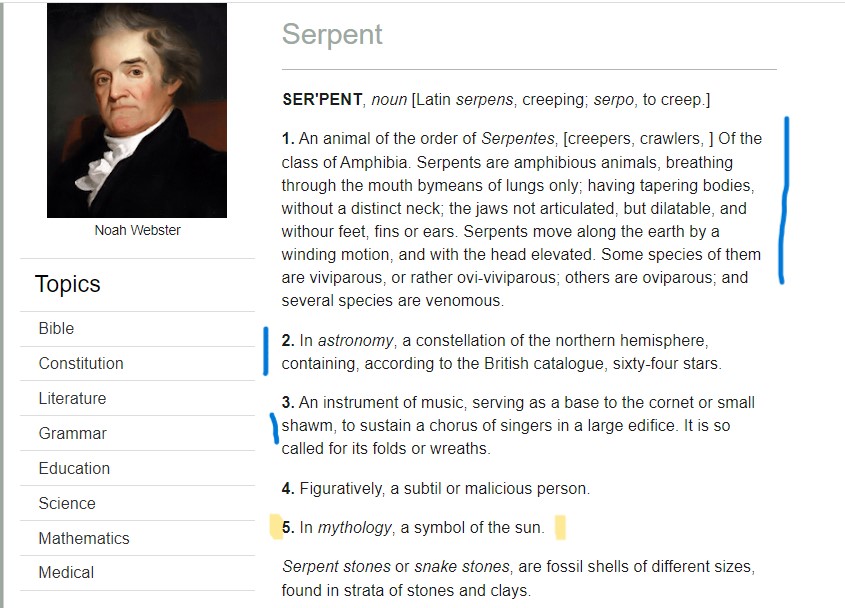
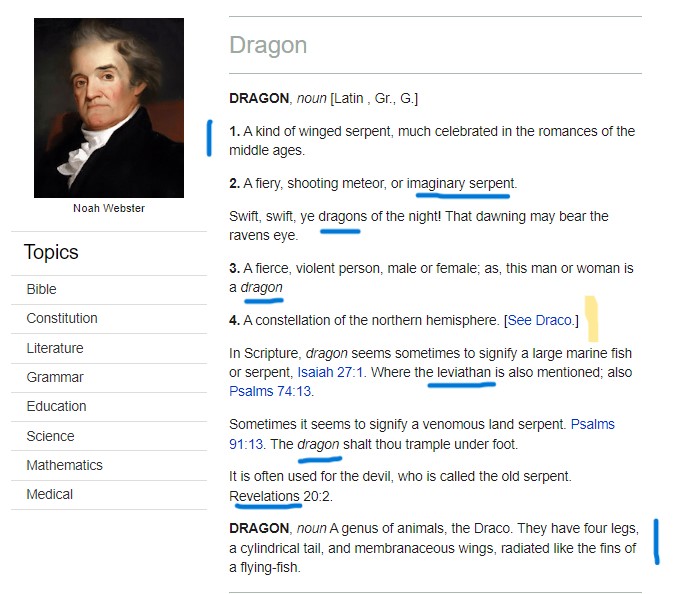
Source: https://webstersdictionary1828.com/Dictionary/serpent & https://webstersdictionary1828.com/Dictionary/Dragon
Serpents and Dragons in mythology and folk-tale are where I find the most references. Biblical scriptures, indigenous American oral history, romances, fiction novels, dictionaries etc are filled with ideas and concepts on what serpents and dragons means to different people at different times. From my studies, they play much into the history and theories on ancient and modern geography and navigation. Blacket’s text and zodiac map images below, helped to open my mind about the so called Serpent association as more than an enemy or adversary, especially when one notes the Latin word for north is “septentriones.” More on this in future posts.
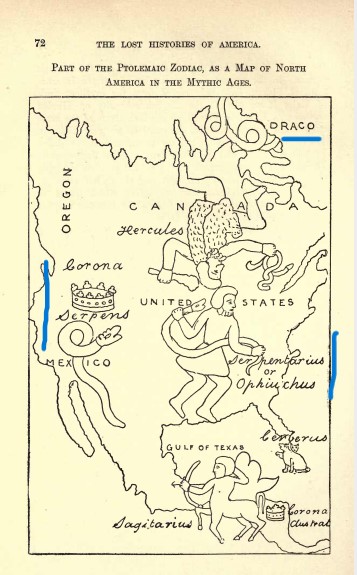
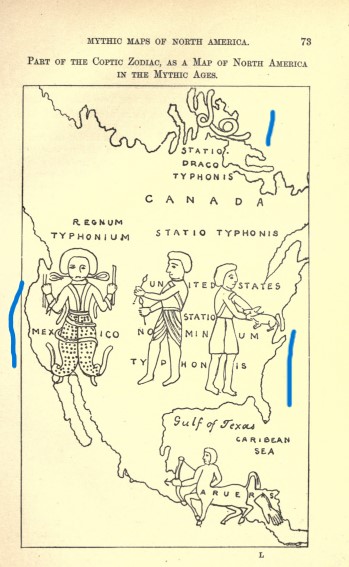
Source: Blacket, W. S. Researches into the Lost History of America. pgs 72-73. London. 1884.
The Xoxoni- Texts and Translations
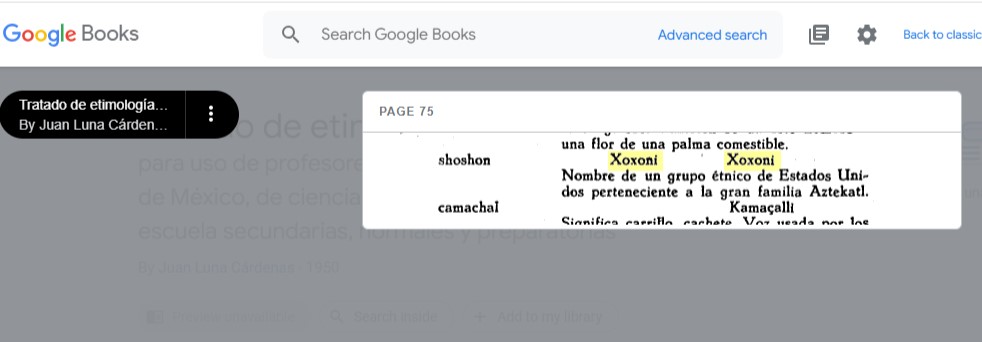
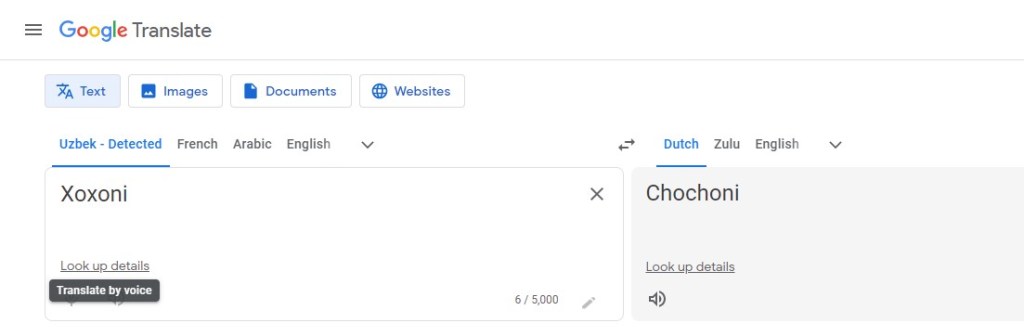
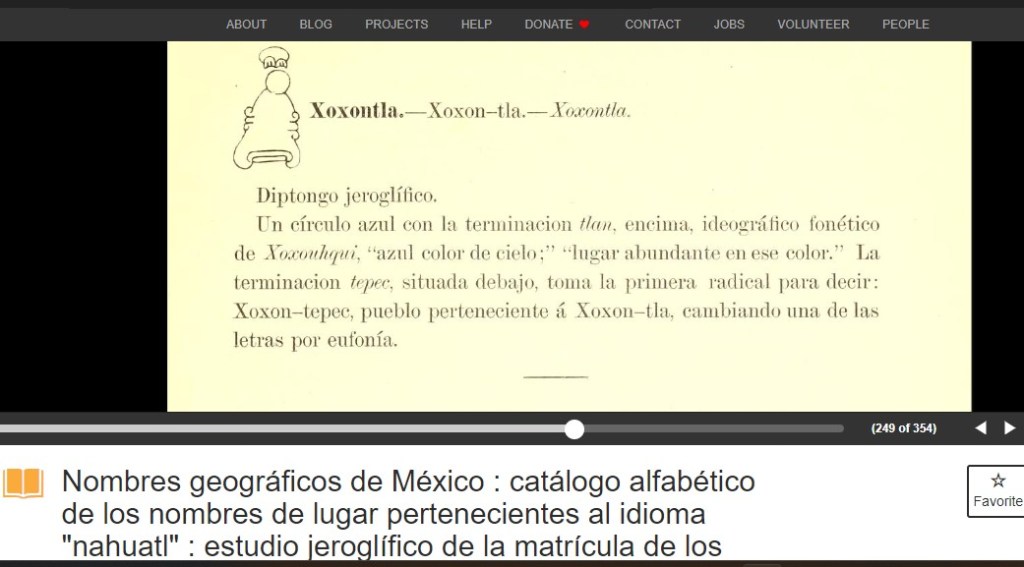
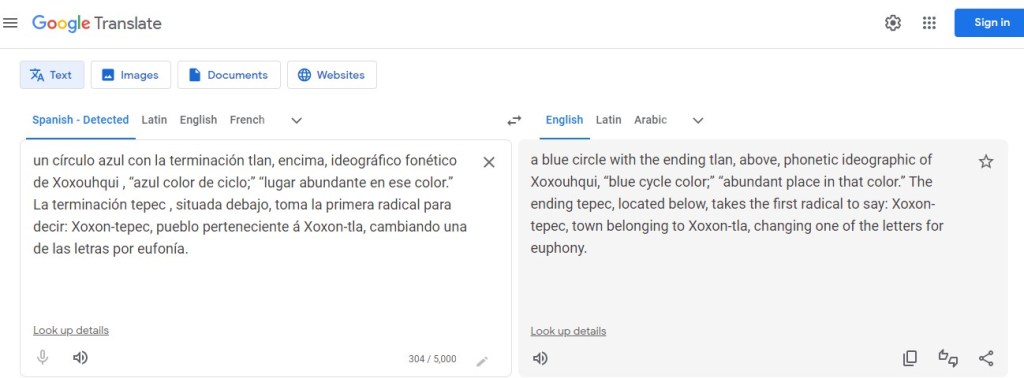
Please note the image of the Xoxontla hieroglyph above, as it is a very important and distinguishable type of head gear in ancient and modern times. Translation is below for text in the image above.
The Khans or Kings of the East aka People of the Serpent
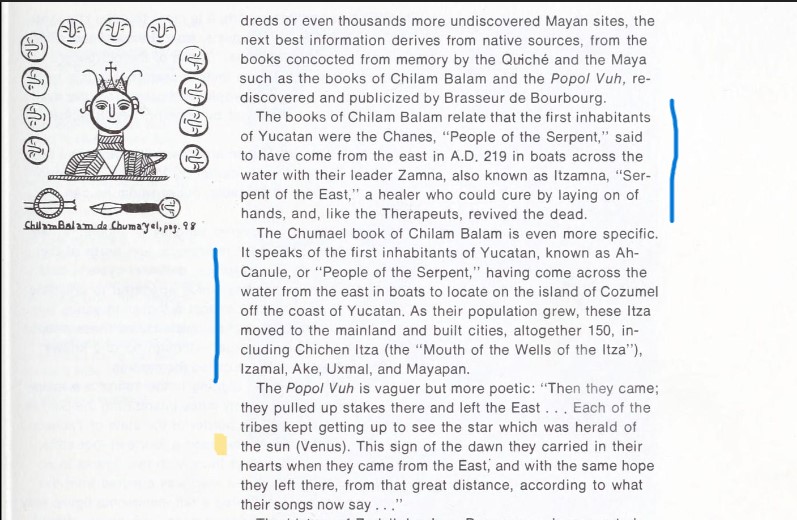
Source: Tompkins, Peter. Mysteries of the Mexican Pyramids. pg 374. New York. 1987.
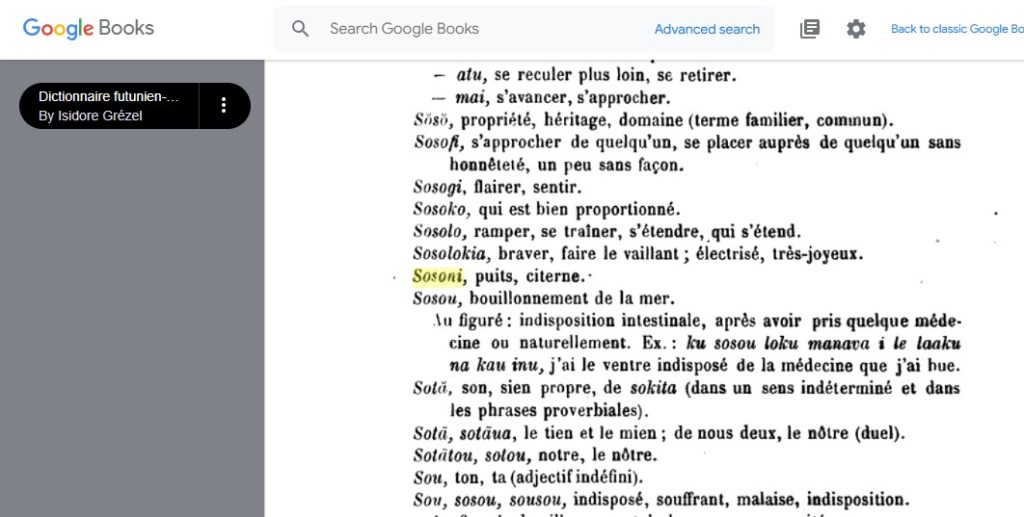
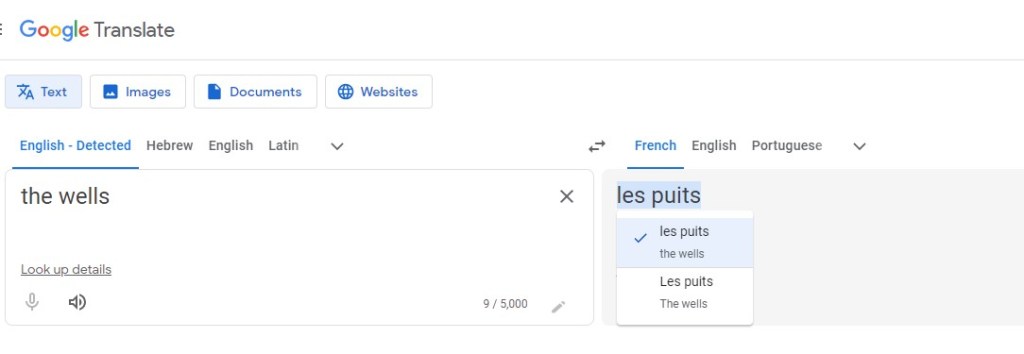
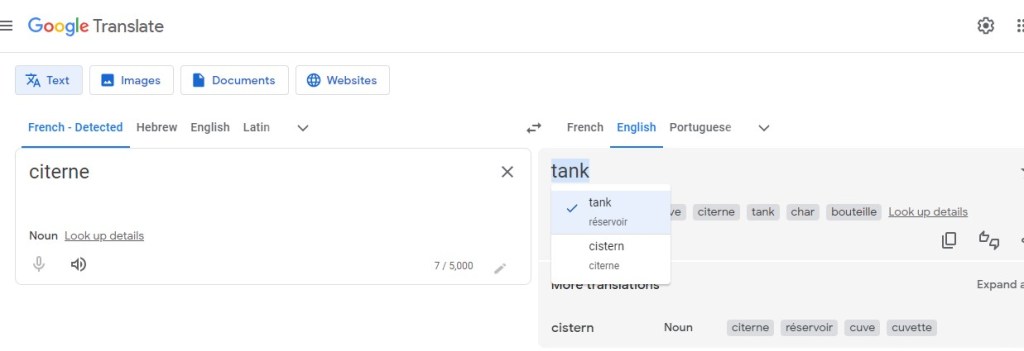
Chichen Itza or The Mouth of the Wells of Itza
From the text above, Chichen Itza is referenced. Sosoni is another way to spell Shoshoni, depending on the language. See translation which follow.
Fork in the Road
As I study ancient and modern American history, it is noted that some of the colonizers were dark-skinned, some fair-skinned, some invisible and completely made up. There has been a lot of effort to cause confusion and distort the history and behavior of the guilty parties in the attempted genocide of American Indians. Some people really can’t get over the fact that most, but not all the American Indians were described as dark or copper colored people. As such, the Library of Congress MARC 2000 code book helps me, from my Shoshoni standpoint, see how this works.
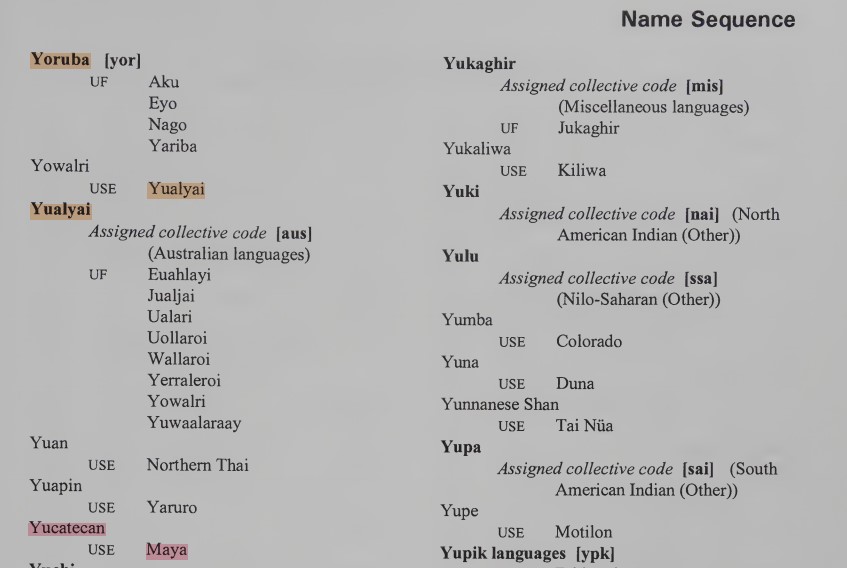
For instance, grouping the Maya/Yucatecan language within the Yoruba(European/Arabian) language group perpetuates the fraud of “African-America.” When using the term, “African,” I mean it as a label/code for “dark-skinned,” as it was linguistically and scientifically engineered during the Renaissance or Rebirth of the Holy Roman Catholic Empire etc. Let us all grow toward the truth. The Maya, Mexica, Toltecs etc are not from the land of Africa, but they were mostly dark-skinned.

Shedding
Thanks for stopping by, feel free to leave a comment or ask questions. I’m not an expert, scientist, linguist, philologist, scholar etc, just a very concerned Shoshoni woman!! My next posts will center around the Hasinai Indians and more maps!! Peace to you!!
 Shoshoni Texans
Leave a comment